Featured
The 10-Minute Rule for Long-Term Impact of Avoid Spending...

The Definitive Guide to Widespread False Beliefs Surround...
The 10-Minute Rule for Long-Term Impact of Avoid Spending Money You Don’t Have This Holiday Season : APFSC Decisions
Table of Contents
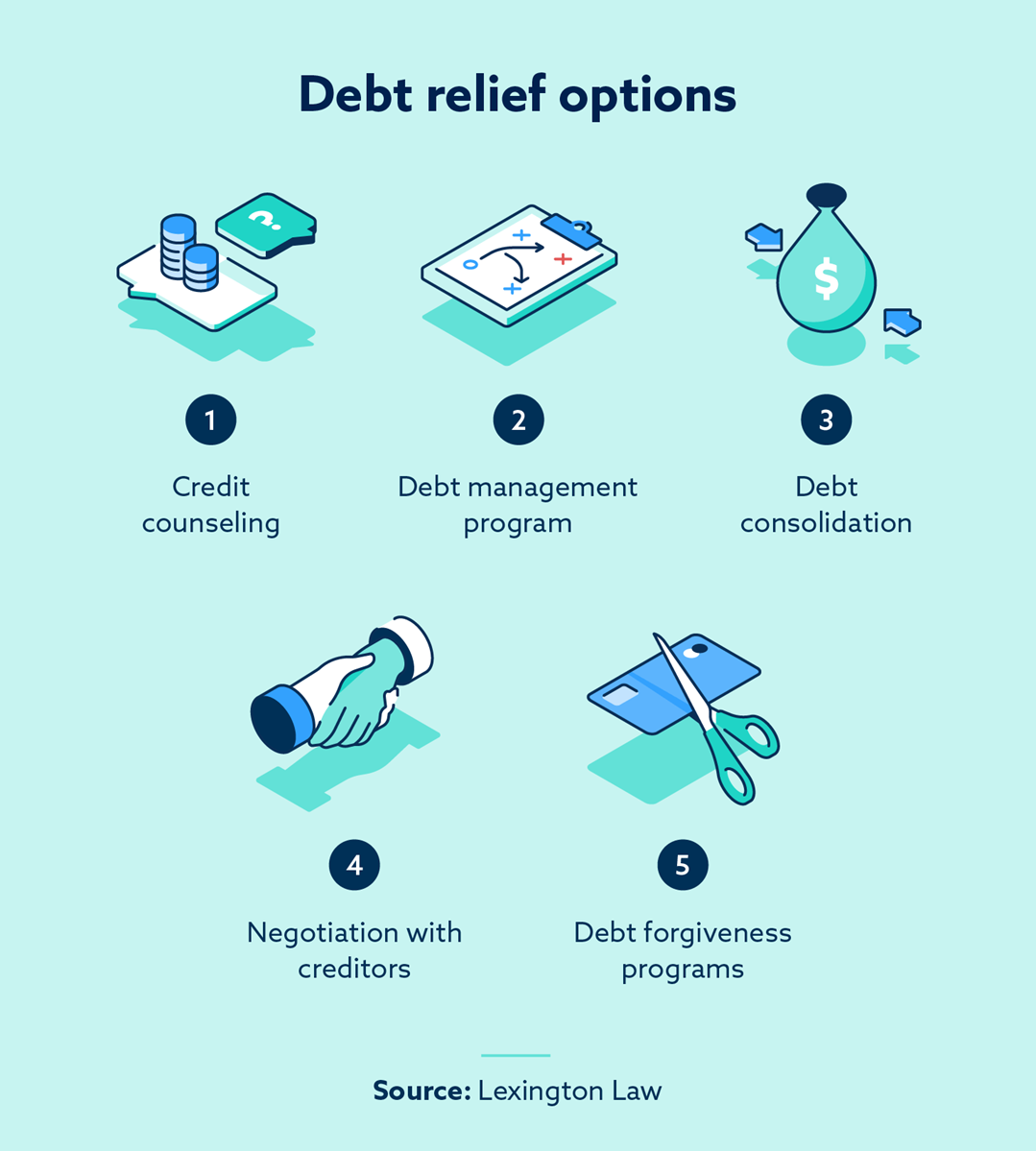
That maximizes cash in the short term, and you might have 3 to 4 years to save towards the settlement amount. Very unsafe to credit report, largely due to missed repayments and an adverse "worked out" mark that could remain on your credit score record for approximately 7 yearsMay be just alternative if various other choices (debt loan consolidation, balance transfer charge card, financial obligation forgiveness) aren't possibleTypically calls for a charge to the 3rd event, which can offset some or every one of the cost savings from financial debt settlementMay assist you stay clear of insolvency if you have actually missed out on numerous paymentsNot all lenders function with financial obligation negotiation business Debt mercy may be appropriate for you if you are experiencing an economic hardship that makes it almost difficult to pay down your debt equilibriums.
With a DMP, you make one monthly payment to the credit report counseling company. Those funds are then distributed to financial institutions of your unprotected debts, such as charge card and installment car loans. The firm collaborates with your lenders to lower rate of interest or waive fees, but some creditors might refuse such concessions.
It can assist you pay down financial obligation if you're able to safeguard a financing rate that's reduced than the average rate of the accounts you're settling. You have to abstain from racking up debt on those newly cleared accounts or your financial debt could grow even greater.
That provides you lots of time to get rid of or considerably lower your balance while making interest-free settlements.
All about How New Platforms Is Making Avoid Spending Money You Don’t Have This Holiday Season : APFSC Easier
You might require it if your financial institution or a collection agency ever before attempts to gather on the debt in the future. When a loan provider forgives $600 or even more, they are needed to send you Kind 1099-C.
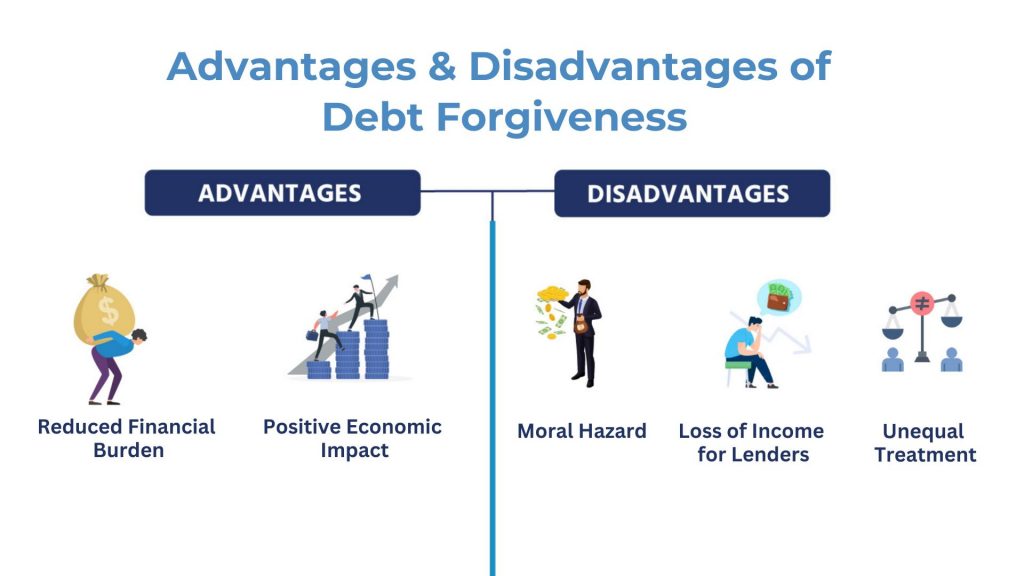
Debt forgiveness or settlement usually hurts your credit score. Anytime you clear up a financial obligation for less than you owe, it might look like "cleared up" on your credit history record and influence your debt score for 7 years from the date of negotiation. Your credit history can also drop considerably in the months resulting in the mercy if you fall behind on payments.
The 10-Second Trick For Certification Standards from the Industry
This circumstance typically results from underreporting earnings, not submitting returns on time, or inconsistencies found during an IRS audit. The consequences of collecting tax financial debt are serious and can include tax liens, which provide the Internal revenue service a lawful insurance claim to your property as security for the financial obligation.
Earnings and Financial institution Accounts IRS can levy (confiscate) wages and financial institution accounts to satisfy the financial debt. Building Seizure In extreme situations, the Internal revenue service can seize and sell residential property to cover the financial obligation.
Social Stigma Dealing with lawful activity from the IRS can bring social preconception. Work Opportunities A bad credit scores rating due to exhaust financial debt can restrict employment opportunities. Government Benefits Tax obligation financial debt might influence eligibility for government benefits, such as Social Security and Medicaid.
The Definitive Guide to Real Stories of Avoid Spending Money You Don’t Have This Holiday Season : APFSC Clients
The OIC considers a number of aspects, consisting of the taxpayer's revenue, expenses, property equity, and capability to pay. Effectively discussing an OIC can be complex, requiring a thorough understanding of the IRS's standards and a solid disagreement for why your deal aligns with your ability to pay. It is very important to note that not all applications are accepted, and the process needs comprehensive economic disclosure.
The IRS analyzes your total financial circumstance, including your income, expenditures, asset equity, and capacity to pay. You should additionally be present with all filing and settlement needs and not be in an open personal bankruptcy proceeding. The internal revenue service additionally considers your compliance background, examining whether you have a record of timely filing and paying taxes in previous years.
Some Ideas on Ways Bankruptcy Counseling Preserves What You've Built You Need To Know
The application procedure for an Offer in Concession involves several comprehensive steps. First, you must finish and submit IRS Form 656, the Offer in Concession application, and Form 433-A (OIC), a collection info statement for people. These types require extensive monetary info, including information concerning your revenue, financial obligations, expenditures, and possessions.
Back tax obligations, which are unpaid taxes from previous years, can significantly raise your complete IRS debt if not attended to promptly. This debt can build up passion and late repayment fines, making the initial amount owed much larger over time. Failure to repay tax obligations can cause the internal revenue service taking enforcement actions, such as releasing a tax lien or levy versus your residential property.
It is necessary to resolve back tax obligations as quickly as feasible, either by paying the sum total owed or by organizing a layaway plan with the internal revenue service. By taking proactive actions, you can avoid the buildup of extra interest and fines, and stop much more hostile collection activities by the IRS.
One usual reason is the belief that the taxpayer can pay the full amount either as a swelling sum or with a layaway plan. The IRS also takes into consideration the taxpayer's revenue, costs, property equity, and future earning possibility. If these variables show that the taxpayer can pay for to pay even more than the provided quantity, the IRS is most likely to turn down the offer.
State Programs for Financial Assistance Things To Know Before You Get This
Dealing with IRS debt can be complicated and overwhelming. Tax experts, such as CPAs, tax obligation attorneys, or signed up agents, can provide important support.

Table of Contents
Latest Posts

What Legislation Says According to State Law Things To Know Before You Get This
The 10-Minute Rule for Long-Term Impact of Avoid Spending Money You Don’t Have This Holiday Season : APFSC Decisions

The Ultimate Guide To "Debt Forgiveness Is Embarrassing" and More Lies
More
Latest Posts
What Legislation Says According to State Law Things To Know Before You Get This
The 10-Minute Rule for Long-Term Impact of Avoid Spending Money You Don’t Have This Holiday Season : APFSC Decisions
The Ultimate Guide To "Debt Forgiveness Is Embarrassing" and More Lies